Tempo in the Gym
As I become a more comfortable personal trainer (I am very
new), I see myself walking into every gym I can find and asking for a tour. The
person giving me the tour will probably think I am interested in the new state
of the art equipment, or maybe the spa area, or possibly the new tanning booth.
As her words drown out, all I will be paying attention to is how people are
lifting in the gym. I haven’t been in a ton of gyms yet, but I already know
what I am going to see. And it never ceases to amaze me.
Very few people know the importance of lifting tempo, and just about
everyone is doing it wrong
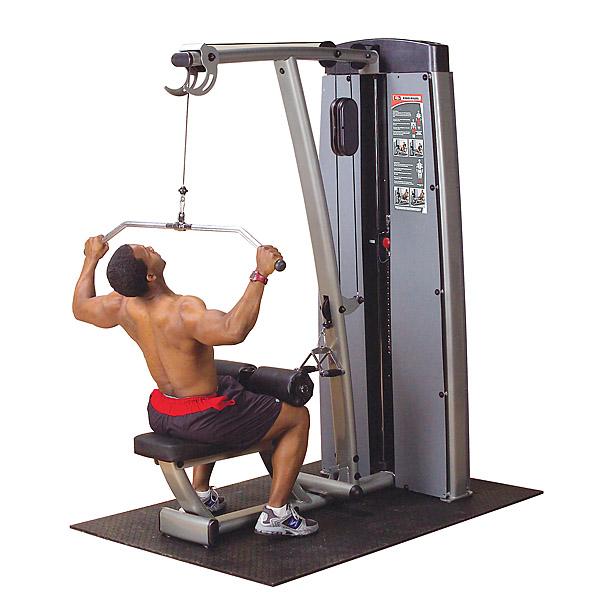
Lifting tempo is probably the least respected aspect of lifting. A lot of people lift fast and with little control. I can hear it in their mind, “If I can just lift this as fast as possible, I will be athletic and quick.” Well they may be right to some degree (and don’t get me wrong, lifting fast has its place). But when someone is lifting fast and with the most atrocious form, I have to say something.
When Lifting Too Fast Becomes Counterproductive
To achieve some metabolic conditioning during resistance
training, you want a faster tempo than a slower tempo (that being said, you can
create some serious burn from slow tempo exercises). Where this goes wrong is
when people let the momentum from the positive carry them past the point of control during the negative. So, that is
to say that when someone pulls the weight, let’s say during a lat pull down,
and then basically lets the weight fall with only enough control to keep a
handle on the bar, they are essentially letting momentum do all the work. This works out the muscle less and puts more
strain on the joints. We don't want that. The entire idea of lifting is improve muscle
endurance, muscle size/strength, and joint stability. By not controlling the
weight in every aspect of the lift, we fail to achieve all three of those
goals.
When Lifting Fast is Productive
Lifting fast is productive when the eccentric (think of the
lowering of a dumbbell during a bicep curl) is not being influenced heavily by momentum, and the lift is under control.
An example of this would be an explosive movement with a short duration, like a
sprint, box jump, or broad jump. These exercises are strictly for producing
force production and power, and are not generally influenced by external
weight. In fact, most explosive exercises should have little to no eccentric
force being applied. A good box jump is one where the person jumps, holds, and
slowly steps down. In this example, not only will this save your knees, but it
focuses on the primary movement, allowing for more precise exercise quality.
How Do I Know What Exercises I Should Do Fast?
At the end of the day, just about any exercise can be done
fast. There is nothing wrong with having a fast tempo. But if you look like you
are bro-fisting with a 20lb dumbbell in your hand, you really aren’t achieving
anything. A good rule of thumb when lifting fast is the tempo speed 1-X-X.
1-X-X basically means be slow enough to control the weight back down, no break
or pause, and be explosive on the pull or push. An example of this would be
during a single arm dumbbell row. You pull the weight as fast as you can, no
pause, then lower the weight with control for one second, and repeat. This
insures that you are being explosive without compromising your joint stability.
Keeping this in mind while lifting will dramatically improve your experience in
the gym and decrease the likelihood of injury.

